

Quick Answer
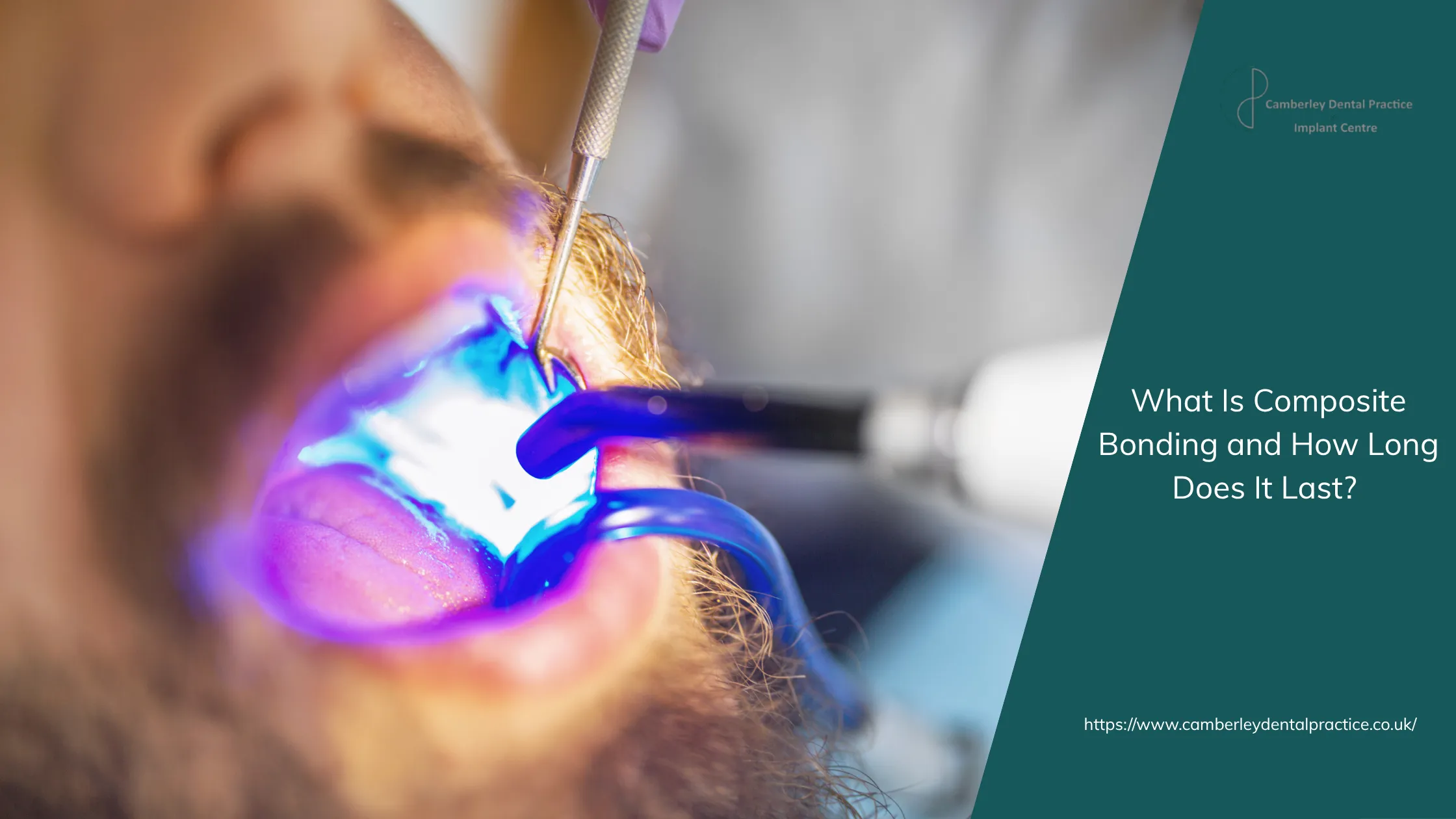
Composite bonding is a cosmetic dental treatment that uses tooth-coloured resin to gently repair or reshape selected teeth. It can help with small chips, worn edges, minor gaps, uneven tooth shape and some areas of discolouration. The material is shaped directly on the tooth, hardened and polished so it blends with the smile. Many straightforward cases can be completed in one appointment, although suitability depends on your teeth, gums, bite, oral health and expectations. Composite bonding is not permanent. With good care it can last for several years, but it may stain, chip or wear over time, so maintenance and occasional repair may be needed.
What Is Composite Bonding?
Lots of people hear about composite bonding but aren’t quite sure what it is. To put it simply, we use a tooth-coloured resin to gently improve the shape or surface of your teeth. We apply the material directly, shape it by hand, and polish it until it looks and feels completely natural.
It’s a great choice if you’re looking for a small but lovely boost to your smile. It works well for things like chipped corners, slightly uneven edges, or small gaps. While it isn’t a “magic fix” for every dental issue, it’s often a very simple and effective option.
You can find a helpful overview of different options in the NHS dental treatments guide. If you’d like to see how we help patients locally, our cosmetic dentistry page explains how we use bonding to brighten up your smile.
How Does Composite Bonding Work?
Initial Consultation
- Everything starts with a simple chat to discuss what you’d like to change, alongside a check of your teeth and gums.
- We will also examine your bite to ensure your new smile feels completely comfortable when you eat, talk, and laugh.
The Bonding Procedure
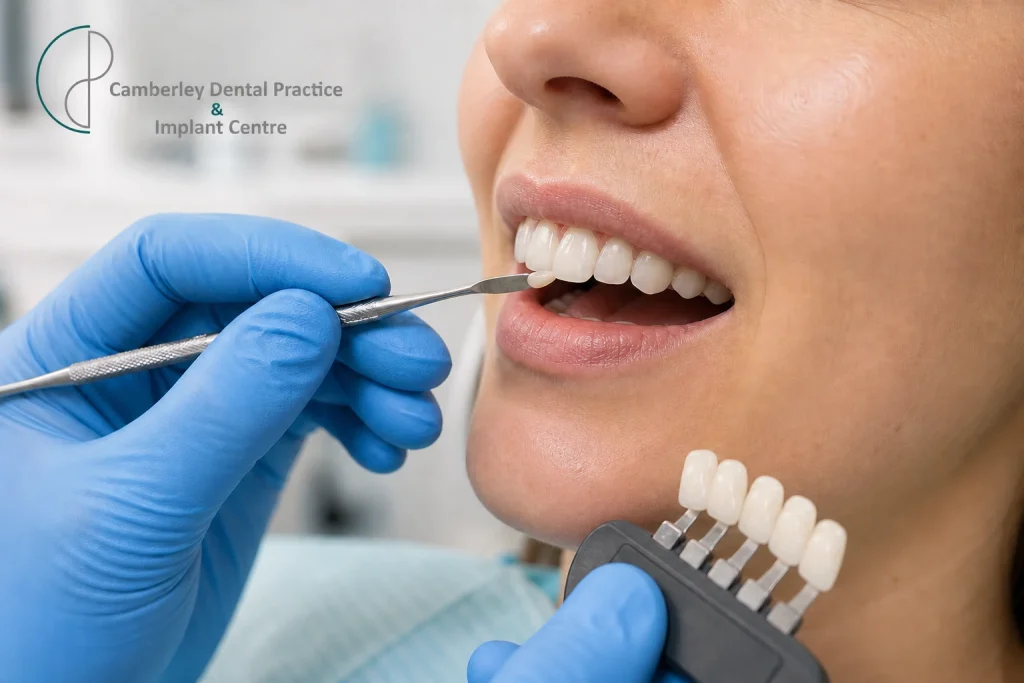
- If bonding is the right option for you, we will select a resin shade that perfectly matches your natural teeth.
- The tooth surface is prepped, a bonding agent is applied, and the resin is carefully added in layers.
- Once the resin is shaped just right, we set it with a special light and polish it up.
A Gentle, Custom Approach
Because every mouth is unique, we factor in elements like old fillings and your gum health to decide the best customized plan for you.
The best part is that bonding is highly gentle, usually requiring little to no removal of your natural tooth.
Who Is Suitable for Composite Bonding?
Bonding is ideal if your teeth and gums are healthy and you’re looking for fairly small changes. It’s a popular choice for fixing minor chips, worn edges, or small spaces between teeth.
It’s not just about how things look in a mirror. We also check your bite and habits like tooth grinding. If there’s any decay or gum trouble, we’ll need to sort that out first to make sure your bonding lasts. This is why that first consultation is so helpful. It lets us show you what’s possible and find the kindest option for your teeth.
What Dental Problems Can Composite Bonding Help With?
Bonding is fantastic for those small “finishing touches.” We use it to fix a chipped front tooth, smooth out an uneven edge, or close a gap that’s been bothering you. It makes everything look more balanced.
It can also be the final step in a bigger plan. For example, you might whiten your teeth first, then have bonding matched to your new, brighter shade. Some patients use it to tidy up edges after finishing orthodontic treatment.
If a tooth has a very large filling or a deep crack, bonding might not be strong enough. In those cases, we might chat about veneers or crowns instead to make sure your tooth stays healthy and strong.
How Long Does Composite Bonding Take?
A simple repair can be quite quick. If we’re working on several teeth, it takes a bit more time to get the shape and shade just right. We always prefer to take our time to ensure you’re happy with the result.
Sometimes we’ll suggest a hygiene visit first to make sure your teeth are sparkling clean before we match the resin shade. If you’re thinking about whitening, it’s best to do that before the bonding, too.
Bonding more than one tooth will naturally take a little longer. We’ll always give you a clear idea of how long your appointment will be before we start.
How Much Does Composite Bonding Cost?
This is a question dentists hear a lot! The cost depends on how much resin we need to use and how many teeth we’re treating. It also depends on whether we need to do any other prep work first.
Fixing a tiny chip is a smaller job than bonding all your front teeth for a new look. Things like whitening or a night guard might also be part of your personal plan.
How Long Does Composite Bonding Last?
Bonding usually lasts for several years, but it isn’t permanent. It’s something patients often ask about—they want to know if it will stay looking good, if it stains, or if it might chip.
How long it lasts depends on things like your bite, your diet, and how well you brush. Bonding on a tiny corner might last longer than bonding on a part of the tooth that does a lot of heavy lifting when you eat.
Think of bonding as something we can maintain for you. It might need a little polish or a small repair every now and then. Regular check-ups help us catch any little issues before they bother you.
Can Composite Bonding Stain or Chip?
Yes, they can. Resin is a brilliant material, but it isn’t quite as tough as your natural enamel. Things like coffee, tea, red wine, and smoking can cause staining over time. Chips are more likely if you bite your nails, chew on pens, or eat very hard sweets. If you notice a bit of staining or a chip, don’t worry—we can usually tidy it up for you quite easily. If a bit does chip off, please don’t try to fix it yourself! Give us a call, and we’ll take a look. We can often repair it and check why it happened in the first place.
Can You Whiten Composite Bonding?
This is a really important one! Whitening products only work on your natural teeth, not on the resin. That’s why we usually suggest whitening your teeth first so we can match the bonding to your new, brighter shade.
The Oral Health Foundation offers great Safe Smiles advice on doing this legally and safely. It’s always best to have whitening done by a professional, especially if you already have bonding or crowns.
If your bonding is looking a bit dull or stained, we can often brighten it with a polish or a small repair. We’ll help you find the best way to get that sparkle back.
How Do You Look After Composite Bonding?
Taking care of your bonding is simple. Just brush twice a day with fluoride toothpaste and clean between your teeth. Keeping your gums healthy is the best way to make any cosmetic dentistry work look great for longer.
Try to avoid using your teeth as tools—no opening packets or biting pens! If you tend to grind your teeth at night, we might suggest a night guard to keep your bonding safe while you sleep.

Can Composite Bonding Damage Teeth?
Lots of people worry about this, but bonding is actually very kind to your teeth. In most cases, we can improve your smile without having to remove much of your healthy tooth structure.
The safest way to proceed is with a registered professional. The General Dental Council regulates all UK dentists to make sure you get the best and safest care possible.
Before we start, we’ll explain exactly what’s involved and if there are any other options. We want you to feel completely confident about your treatment.
Is Composite Bonding Better Than Veneers?
They both look great, but they’re quite different. Bonding is resin we shape directly on your tooth. Veneers are very thin, custom-made porcelain covers that are bonded to the front of your teeth.
You can read more about them in the Oral Health Foundation veneer guide. Veneers can be more durable and resist stains better, but they often require a bit more planning and preparation.
Bonding is often faster and more conservative. Veneers might be better for bigger changes. We’ll help you decide which one fits your smile, your budget, and your lifestyle.
What Should You Do If Your Bite Feels Different After Composite Bonding?
If your bite feels a bit high or “off” after your appointment, just let us know. A tiny adjustment is usually all it takes to make everything feel comfortable again.
Your tongue will probably notice the new shape at first—that’s normal! But if you feel any persistent pressure or soreness, we’d love to take a quick look for you.
Checking your bite is a key part of the process. We want to make sure your new smile feels as good as it looks.
What Questions Should You Ask Before Composite Bonding?
Asking questions is a great way to feel at ease. Ask us what bonding can do for you, if your gums are ready, and if you should do any whitening first.
It’s also good to ask how long it will take, what the cost includes, and what you’ll need to do to look after it. We’re here to help with any concern, big or small.
Don’t forget to ask about alternatives, too. Our preventative dentistry page explains why keeping your natural teeth healthy is always our first goal.
Frequently Asked Questions
Is composite bonding permanent?
No, it isn’t. With good care, it can last for several years, but the resin can wear down or stain over time. We can usually polish or repair it whenever you need.
Can you eat after composite bonding?
Usually, yes! It’s best to avoid anything very hard or staining for the first day or so, but your dentist will give you all the advice you need.
Does composite bonding look natural?
Absolutely. Because we match the resin to your natural teeth and polish it to a high shine, it blends in beautifully.
Can composite bonding close gaps?
Yes, it’s great for closing small gaps. If the gaps are quite large, we might talk about other options like orthodontics first.
Can composite bonding be repaired?
Yes, small chips or rough spots can often be smoothed over or repaired. We’ll also check to see if there’s a reason why it happened.
Should teeth whitening be done before composite bonding?
Yes, we usually recommend teeth whitening before bonding . This makes it easier to match the bonding to your new, brighter smile.
Is composite bonding worth it?
For many patients, it’s a brilliant and simple way to fix those little things that bother them. A consultation is the best way to find out if it’s right for you.
Thinking about composite bonding in Camberley? We’d love to help you find the best option for your smile. Book your consultation online with Camberley Dental Practice and let’s get started!